
What to Know Before Hiring a Home Inspector: Choosing the Best Home Inspector for Your Property

When you're about to make one of the biggest investments of your life, a home inspection is a crucial step. It can reveal hidden issues, give you peace of mind, and even save you thousands of dollars. But how do you choose the best home inspector? What should you look for, and what questions should you ask? I’ve been through this process, and I want to share what I’ve learned to help you make an informed decision.
Why Choosing the Best Home Inspector Matters
Not all home inspectors are created equal. Some might rush through the inspection, missing critical problems. Others might not have the right certifications or experience. Choosing the best home inspector means you get a thorough, accurate report that helps you understand the true condition of the property.
Here’s why it matters:
Protect your investment: A detailed inspection can uncover costly repairs before you buy.
Negotiate with confidence: Knowing the home's issues gives you leverage in price discussions.
Avoid surprises: You won’t want to discover a leaking roof or faulty wiring after moving in.
Plan for maintenance: A good inspector can point out what needs attention now and in the future.
When you’re choosing a home inspector, look for someone who is licensed, insured, and has solid references. Ask if they follow a national standard of practice, such as those set by the American Society of Home Inspectors (ASHI) or the International Association of Certified Home Inspectors (InterNACHI).
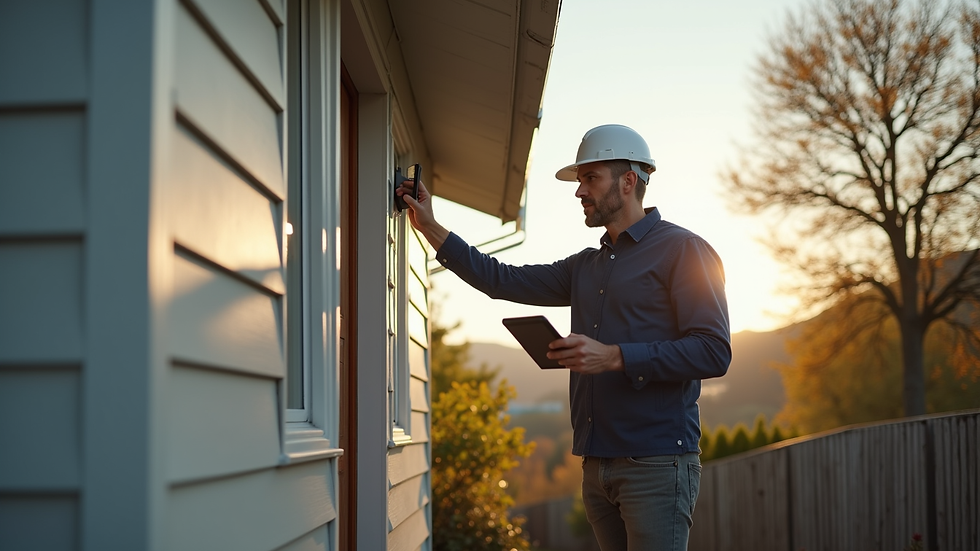
How to Choose the Best Home Inspector: Key Factors to Consider
Choosing the best home inspector is about more than just price. Here are some practical tips to help you find the right professional:
Check credentials and experience
Verify their license and certifications. Experience matters, especially with older homes or unique construction types.
Read reviews and ask for references
Look for consistent positive feedback. Don’t hesitate to ask the inspector for references from recent clients.
Understand what the inspection covers
A thorough inspection should include the roof, foundation, plumbing, electrical systems, HVAC, and more. Ask for a sample report to see how detailed it is.
Ask about their inspection process
Will they walk you through the findings? Can you attend the inspection? A good inspector will explain issues clearly and answer your questions.
Compare prices but don’t choose solely on cost
The cheapest option might not be the best. Balance cost with reputation and thoroughness.
Look for insurance coverage
Errors and omissions insurance protects you if the inspector misses something important.
Availability and turnaround time
Find out how soon they can schedule the inspection and how quickly you’ll get the report.
Remember, the goal is to get a clear picture of the home’s condition. Don’t rush this step.
What is the average cost of a home inspection in Maine?
While this post focuses on Dayton, Ohio, it’s helpful to know what home inspections typically cost in other regions for comparison. In Maine, the average home inspection cost ranges from $300 to $500, depending on the size and age of the property. Additional services like radon testing or mold inspection may add to the price.
In Dayton, Ohio, you can expect similar pricing, but always ask for a detailed quote upfront. Some companies offer package deals or discounts for repeat customers.
What to Expect During a Home Inspection
Knowing what happens during a home inspection can help you prepare and get the most out of the experience.
Duration: Most inspections take 2 to 4 hours, depending on the size and condition of the home.
Areas covered: The inspector will check the roof, attic, basement, foundation, walls, windows, doors, plumbing, electrical systems, heating and cooling, and more.
Your role: It’s a good idea to attend the inspection. You can ask questions and see issues firsthand.
Report: After the inspection, you’ll receive a detailed report with photos and explanations of any problems found.
Here’s a quick checklist of what the inspector will look for:
Structural integrity (foundation cracks, wall damage)
Roof condition (missing shingles, leaks)
Plumbing leaks or outdated pipes
Electrical hazards or code violations
HVAC system functionality
Signs of pests or mold
Safety features (smoke detectors, handrails)

Tips for Working with Your Home Inspector
To get the best results, communicate clearly and be proactive:
Be present during the inspection: This helps you understand the issues and ask questions.
Take notes and photos: Document what the inspector points out for your records.
Ask for maintenance advice: Inspectors often have valuable tips on how to care for your home.
Don’t ignore minor issues: Small problems can become big ones if left unattended.
Use the report to negotiate: If serious defects are found, you can request repairs or price adjustments.
If you’re selling your home, consider getting a pre-listing inspection. This can help you fix problems before buyers see them and speed up the sale process.
Why Local Expertise Makes a Difference
Homes in Dayton, Ohio, have unique characteristics and common issues based on the local climate, building codes, and soil conditions. A home inspector familiar with the area will know what to look for and what problems are typical.
For example, Dayton’s humid summers can cause mold growth or wood rot. Winters might reveal issues with insulation or heating systems. Local inspectors also understand regional regulations and can advise you accordingly.
Choosing a local, trusted company like Pinnacle Home Inspection Services means you get personalized service and reliable advice tailored to your property.
Final Thoughts on Hiring a Home Inspector
When you’re hiring a home inspector, you’re investing in knowledge and peace of mind. Take your time to research, ask questions, and choose someone who will give you a thorough, honest assessment.
A good home inspection is more than just a checklist. It’s a conversation about your future home and how to protect your investment. With the right inspector by your side, you’ll feel confident and ready to make the best decisions for your property.
Remember, this step is about more than just finding problems - it’s about understanding your home and planning for a safe, comfortable future.
If you’re ready to schedule an inspection or want to learn more about what to expect, reach out to a trusted local expert. Your home deserves the best care, and so do you.


Comments