
Steps in the Home Inspection Process - Inspection Steps Explained

When you’re about to buy or sell a home, understanding the home inspection process is crucial. It’s not just a formality; it’s a detailed examination that can save you thousands of dollars and a lot of headaches. I’ve walked through this process many times, and I want to share what you can expect at each step. This way, you’ll feel confident and prepared when it’s your turn.
Inspection Steps Explained: What Happens First?
The home inspection process starts with scheduling the inspection. Once you’ve agreed on a date, the inspector arrives ready to evaluate the property thoroughly. The goal here is to identify any issues that could affect the home’s value or safety.
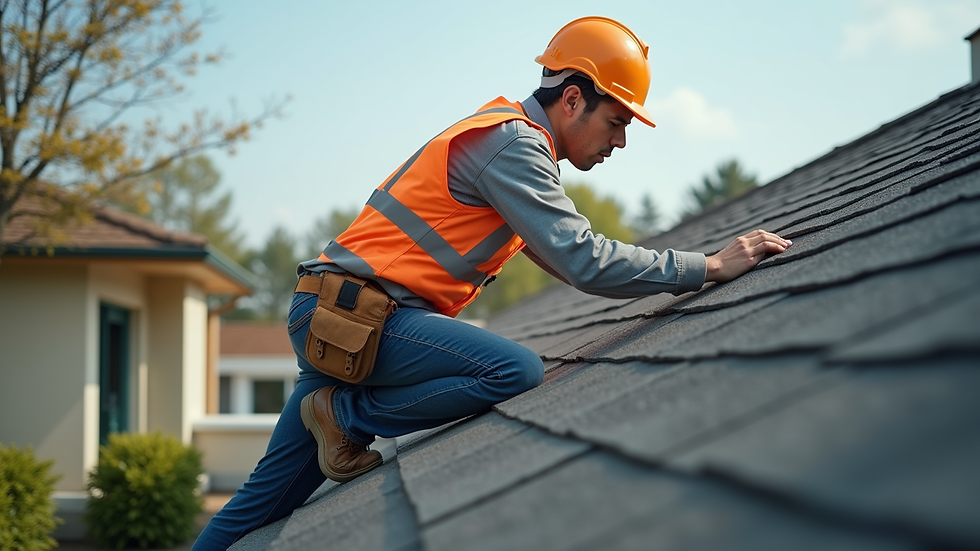
The inspector will begin with a visual examination of the exterior. This includes checking the roof, gutters, siding, foundation, and drainage. They look for signs of damage, wear, or potential problems like cracks or water pooling near the foundation.
Next, the inspector moves inside. They check the walls, ceilings, floors, windows, and doors. They also test the plumbing, electrical systems, heating, and cooling units. The inspector will open cabinets, look under sinks, and sometimes even check the attic and basement.
Throughout the inspection, the inspector takes notes and photos to document their findings. This detailed report will be your guide to understanding the home’s condition.
What is the First Thing an Inspector Wants to See?
You might wonder, what does the inspector focus on first when they step inside? The answer is simple: the overall condition and safety of the home. Inspectors want to see if the home is structurally sound and safe for occupancy.
They often start by checking the main electrical panel to ensure it’s up to code and functioning properly. This is critical because faulty wiring can be a fire hazard. Then, they move on to the heating and cooling systems to verify they are operational and well-maintained.
Inspectors also pay close attention to signs of water damage or mold, which can indicate leaks or poor ventilation. These issues can be costly to fix and affect your health.
By focusing on these key areas first, the inspector can quickly identify any major red flags that need immediate attention.
Detailed Inspection: What Areas Are Covered?
The inspection covers several key areas of the home. Here’s a breakdown of what you can expect:
Roof and Exterior
The inspector checks shingles, flashing, chimneys, gutters, and downspouts. They look for missing or damaged shingles, leaks, and proper drainage.
Foundation and Structure
Cracks in the foundation, uneven floors, and signs of settling are examined. The inspector also checks for wood rot or termite damage.
Plumbing System
Pipes, faucets, water heaters, and drainage systems are tested for leaks, corrosion, and proper function.
Electrical System
The inspector tests outlets, switches, circuit breakers, and wiring. They ensure everything meets safety standards.
Heating, Ventilation, and Air Conditioning (HVAC)
The furnace, air conditioner, ductwork, and vents are inspected for efficiency and safety.
Interior Rooms
Walls, ceilings, floors, windows, and doors are checked for damage, proper operation, and signs of moisture.
Attic and Basement
These areas are inspected for insulation, ventilation, water intrusion, and structural integrity.
Each of these areas is critical to the home’s overall health. The inspector’s job is to uncover any hidden problems that could affect your decision.

How to Prepare for the Inspection
Preparation can make the inspection smoother and more effective. Here are some tips:
Clear Access: Make sure the inspector can easily access the attic, basement, electrical panel, and HVAC units. Remove any clutter or obstacles.
Provide Documentation: If you have maintenance records or warranties for appliances and systems, have them ready.
Be Present: If possible, attend the inspection. This gives you a chance to ask questions and see issues firsthand.
Check Utilities: Ensure all utilities (water, electricity, gas) are turned on before the inspection.
Fix Minor Issues: If you know of small problems, fix them beforehand to avoid unnecessary concerns.
Being prepared helps the inspector do a thorough job and gives you peace of mind.
After the Inspection: What Comes Next?
Once the inspection is complete, the inspector will provide a detailed report. This document includes:
A summary of major issues
Photos of problem areas
Recommendations for repairs or further evaluation
Notes on maintenance tips
Review this report carefully. It’s your roadmap for negotiating repairs or deciding whether to move forward with the purchase or sale.
If you’re buying, you can use the report to ask the seller for repairs or a price reduction. If you’re selling, the report helps you understand what buyers might find and how to address concerns proactively.
Remember, no home is perfect. The goal is to know what you’re dealing with so you can make informed decisions.
Why the Home Inspection Process Matters
The home inspection process is your best defense against unexpected surprises. It protects your investment and ensures your safety. Whether you’re buying, selling, or maintaining a property, a thorough inspection is a smart step.
By understanding each step, you can approach the inspection with confidence. You’ll know what to expect, how to prepare, and how to use the information to your advantage.
Taking the time to get a professional inspection is a wise choice that pays off in the long run.
Taking the Next Step with Confidence
Now that you know the steps involved in a home inspection, you’re better equipped to handle this important part of the real estate journey. Remember, the inspection is about uncovering facts, not finding faults. It’s about making sure the home you choose or sell is safe, sound, and a good investment.
If you’re in Dayton, Ohio, and want a reliable, thorough inspection, consider working with a trusted local company. They’ll guide you through the process and help you feel at ease with your property decisions.
After all, a home is more than just a building - it’s where your life happens. Make sure it’s a place you can trust.
Ready to schedule your home inspection? Don’t wait until it’s too late. Get the facts and make your next move with confidence.


Comments