
Home Inspection Expectations: What to Expect During Your Home Inspection

Buying or selling a home is a big step. One of the most important parts of this process is the home inspection. It can feel a bit overwhelming if you don’t know what to expect. But understanding the process can help you feel more confident and prepared. Let me walk you through what happens during a home inspection and what you should keep in mind.
Understanding Home Inspection Expectations
A home inspection is a thorough examination of a property’s condition. It covers everything from the roof to the foundation. The goal is to identify any issues that might affect the safety, value, or livability of the home. When you schedule an inspection, the inspector will spend a few hours checking the property inside and out.
Here’s what you can expect during the inspection:
Visual examination of all accessible areas.
Testing of major systems like plumbing, electrical, heating, and cooling.
Checking for signs of water damage, mold, or pest infestations.
Inspecting structural components such as walls, ceilings, floors, and the foundation.
Reviewing the condition of windows, doors, and insulation.
The inspector will take notes and photos to document their findings. After the inspection, you’ll receive a detailed report outlining any problems and recommendations for repairs or further evaluation.

What Happens During the Home Inspection? A Step-by-Step Look
When the inspection day arrives, the inspector will usually start outside. They’ll look at the roof, gutters, siding, and foundation. This helps spot any visible damage or wear. Next, they’ll move inside to check the main systems and structural elements.
Here’s a typical flow of the inspection:
Exterior inspection: Roof condition, drainage, siding, windows, and doors.
Interior inspection: Walls, ceilings, floors, windows, doors, and stairways.
Systems check: Plumbing, electrical, heating, ventilation, and air conditioning (HVAC).
Basement and crawl spaces: Look for moisture, foundation cracks, and insulation.
Attic inspection: Check for leaks, ventilation, and insulation quality.
During the inspection, feel free to ask questions. A good inspector will explain what they’re doing and point out any concerns. This is your chance to learn about the home’s condition firsthand.
What is the riskiest part of a home inspection?
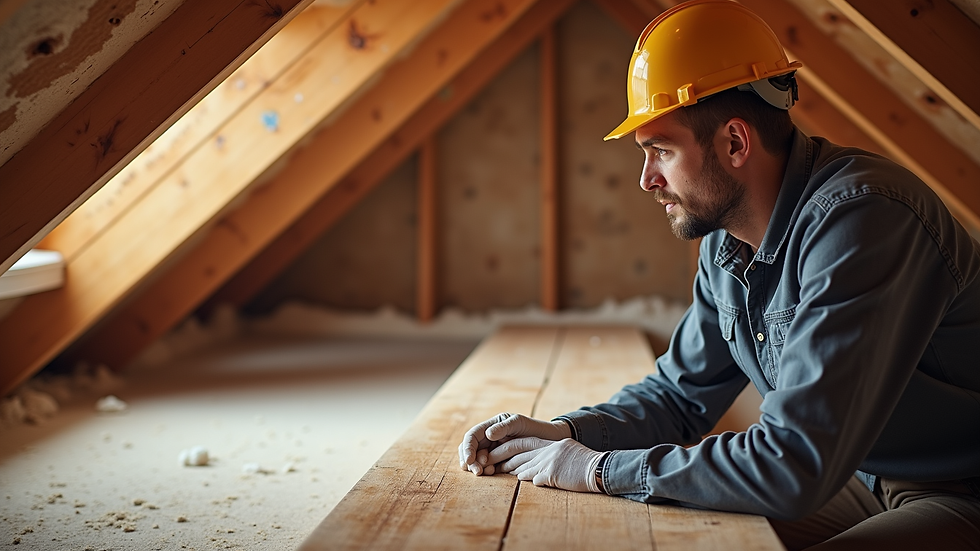
One of the riskiest parts of a home inspection is the roof and attic area. Inspectors often have limited access to these spaces, especially if the roof is steep or the attic is cramped. Missing a hidden leak or structural damage here can lead to costly repairs down the line.
Another risky area is the electrical system. Older homes may have outdated wiring or overloaded circuits that pose fire hazards. Inspectors will test outlets and breakers, but some issues might require a licensed electrician for a deeper look.
Lastly, hidden water damage is a common risk. Water can seep into walls, under floors, or behind appliances without obvious signs. Inspectors use moisture meters and look for discoloration or mold, but some damage might only become apparent later.
Knowing these risks helps you understand why a thorough inspection is crucial. It also highlights the importance of hiring a qualified, experienced inspector.
How to Prepare for Your Home Inspection
Preparation can make the inspection smoother and more effective. Here are some tips to get ready:
Clear access: Make sure the inspector can easily reach the electrical panel, furnace, water heater, and crawl spaces.
Provide documentation: If you have maintenance records or warranties, have them ready to share.
Turn on utilities: Ensure water, electricity, and gas are on so systems can be tested.
List your concerns: Write down any questions or issues you want the inspector to check.
Plan to attend: Being present during the inspection lets you see problems firsthand and ask questions.
If you’re selling, consider a pre-listing inspection. This can help you address issues before buyers get involved, speeding up the sale process.
What Happens After the Inspection?
Once the inspection is complete, the inspector will prepare a detailed report. This usually arrives within a day or two. The report will include:
A summary of major findings.
Photos of problem areas.
Recommendations for repairs or further evaluation.
Notes on maintenance tips.
Review the report carefully. If you’re buying, use it to negotiate repairs or price adjustments with the seller. If you’re selling, the report can guide you on what to fix before listing or help you set realistic expectations.
Remember, no home is perfect. The inspection is about understanding the condition and making informed decisions. If you see issues, ask yourself: Are these deal-breakers, or manageable repairs?
Final Thoughts on Home Inspection Expectations
A home inspection is a valuable tool for anyone involved in real estate. It gives you a clear picture of the property’s condition and helps avoid surprises later. By knowing what to expect from a home inspection, you can approach the process with confidence.
Whether you’re buying, selling, or maintaining a home, a thorough inspection is a smart investment. It protects your financial interests and peace of mind. So, take the time to prepare, attend the inspection, and review the report carefully. Your future self will thank you.
For more detailed guidance on what to expect from a home inspection, check out trusted local resources to ensure you’re fully informed.
Pinnacle Home Inspection Services is committed to helping you feel confident and at ease with your property decisions in Dayton, Ohio.


Comments