
Essential Home Inspection Preparation Tips for a Smooth Process

Preparing for a home inspection can feel overwhelming, but it doesn’t have to be. Whether you’re buying, selling, or maintaining a property, a thorough inspection is a crucial step. It helps you understand the condition of the home and avoid surprises down the road. I’ve learned that a little preparation goes a long way in making the inspection process smooth and stress-free. Let’s dive into some practical home inspection preparation tips that will help you get ready confidently.
Key Home Inspection Preparation Tips to Keep in Mind
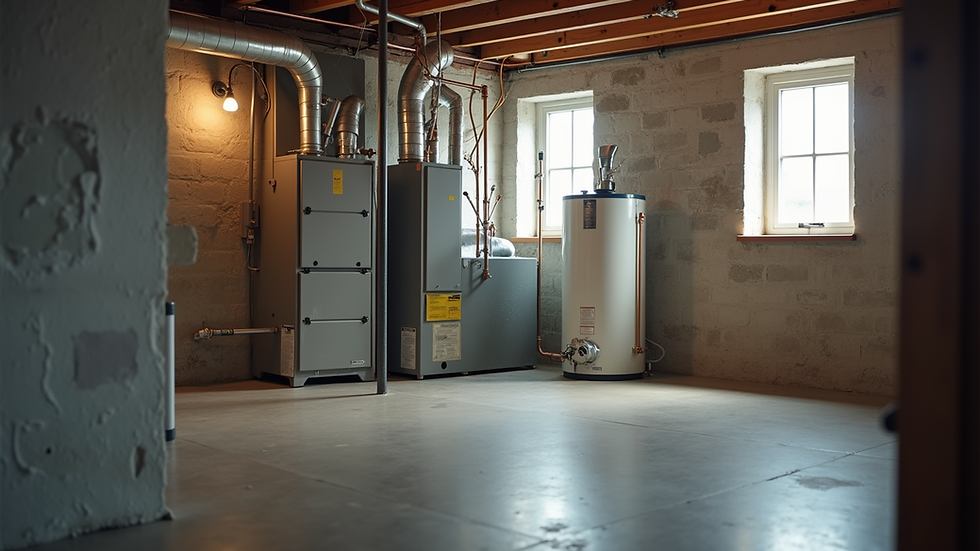
First things first, you want to make sure the home inspector can access every part of the house easily. This means clearing clutter from hallways, basements, attics, and utility rooms. Inspectors need to check electrical panels, HVAC systems, plumbing, and structural elements without obstacles in the way.
Here are some essential tips to get started:
Check all utilities: Make sure water, electricity, and gas are turned on. Inspectors need these running to test appliances, plumbing, and heating systems.
Replace burned-out bulbs: Lighting is part of the inspection, so ensure all light fixtures have working bulbs.
Fix minor repairs: Leaky faucets, running toilets, and broken door handles might seem small, but fixing them beforehand shows you care about maintenance.
Trim bushes and trees: Overgrown landscaping can block access to the foundation and exterior walls.
Secure pets: If you have pets, keep them safely away during the inspection to avoid distractions or safety concerns.
Taking these steps will help the inspector do a thorough job and give you a clear picture of the home’s condition.
How clean does my house need to be for an inspection?
You might wonder, “Do I need to deep clean the entire house before the inspection?” The answer is yes and no. The home doesn’t have to be spotless like a magazine shoot, but it should be tidy enough to allow the inspector to see everything clearly.
Focus on these areas:
Floors and walkways: Clear debris and clutter so the inspector can move around safely.
Appliances and fixtures: Wipe down kitchen and bathroom surfaces to reveal any issues like leaks or damage.
Attic and crawl spaces: Remove stored items that block access to these areas.
Exterior: Sweep porches, clean gutters, and remove any trash or debris from the yard.
A clean and organized home not only helps the inspection but also leaves a good impression if you’re selling. It shows you’ve taken care of the property.

What to expect during the inspection process
Understanding what happens during the inspection can help you prepare mentally and physically. Typically, a home inspection takes 2 to 4 hours depending on the size and condition of the property.
Here’s what usually happens:
Exterior inspection: The inspector checks the roof, gutters, siding, foundation, and grading.
Interior inspection: They examine walls, ceilings, floors, windows, doors, and stairways.
Systems check: HVAC, plumbing, electrical, and appliances are tested for functionality and safety.
Attic and basement: These areas are inspected for insulation, ventilation, moisture, and structural issues.
You can attend the inspection to ask questions and learn about any concerns firsthand. It’s a great opportunity to get expert advice on maintenance and repairs.
How to prepare for a home inspection report
After the inspection, you’ll receive a detailed report outlining the findings. This document is vital for making informed decisions about your property. To get the most out of it, here’s how to prepare:
Review the report carefully: Look for major issues that need immediate attention and minor ones that can wait.
Ask for clarification: If anything is unclear, don’t hesitate to contact the inspector for explanations.
Get repair estimates: For significant problems, obtain quotes from licensed contractors to understand costs.
Negotiate if buying or selling: Use the report to discuss repairs or price adjustments with the other party.
Plan maintenance: For homeowners, the report can guide your future upkeep schedule.
Being proactive with the inspection report helps you protect your investment and avoid costly surprises.
Final steps to ensure a successful home inspection
Before the inspector arrives, do a final walkthrough to check that everything is ready. Here’s a quick checklist:
All utilities are on and functioning.
Pets are secured or removed.
Access points are clear and unlocked.
Smoke detectors and carbon monoxide alarms are working.
Any personal items blocking access to key areas are moved.
Remember, the goal is to make the inspection as easy and thorough as possible. This benefits everyone involved and helps you feel confident about the property’s condition.
If you want to learn more about how to prepare for a home inspection, this resource offers detailed guidance tailored to your needs.
Taking these steps will help you navigate the inspection process with ease and peace of mind. After all, a well-prepared home inspection is a smart investment in your property’s future.


Comments