
Essential Home Inspection Preparation: How to Get Ready for a Home Inspection

Preparing for a home inspection can feel overwhelming, but it doesn’t have to be. Whether you’re buying, selling, or maintaining a property, a thorough inspection is a crucial step. It helps you understand the condition of the home and avoid surprises down the road. I’ve learned that being proactive and organized makes the process smoother and less stressful. Let’s walk through the key steps to get your home ready for inspection.
Why Home Inspection Preparation Matters
A home inspection is more than just a formality. It’s a detailed review of the property’s structure, systems, and safety features. Inspectors look at everything from the roof to the foundation, plumbing to electrical wiring. If you want to avoid delays or costly repairs later, you need to prepare your home properly.
Good preparation shows the inspector that you care about the property. It also helps you get the most accurate report possible. For example, clearing clutter allows the inspector to access important areas easily. Fixing minor issues beforehand can prevent them from being flagged as major problems.
Here are some practical tips for home inspection preparation:
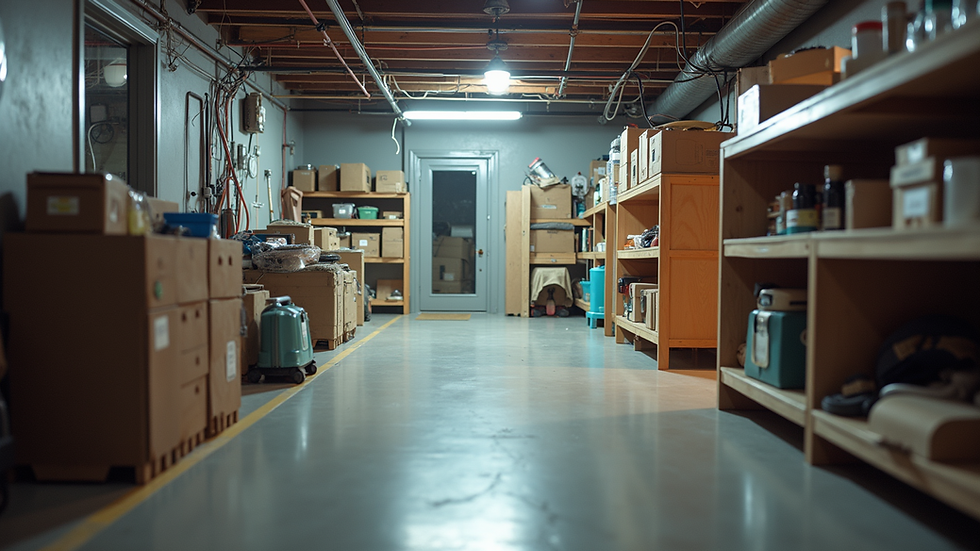
Clean and declutter: Clear basements, attics, and crawl spaces.
Ensure access: Unlock gates, doors, and panels.
Test systems: Make sure HVAC, plumbing, and electrical systems work.
Fix minor repairs: Replace burnt-out bulbs, fix leaky faucets.
Document maintenance: Have records ready for recent repairs or upgrades.
Taking these steps will help the inspection go smoothly and give you peace of mind.
Home Inspection Preparation: What to Focus On
When preparing your home, focus on areas that inspectors will examine closely. Here’s a room-by-room checklist to guide you:
Exterior
Trim trees and bushes away from the house.
Clean gutters and downspouts.
Check for cracks in the foundation or driveway.
Ensure exterior lights work.
Secure loose siding or shingles.
Interior
Test all smoke and carbon monoxide detectors.
Replace missing or broken window screens.
Check doors and windows for proper operation.
Clear access to the electrical panel and water shut-off valves.
Remove pets or secure them safely.
Systems and Appliances
Service the HVAC system if needed.
Flush water heater and check for leaks.
Test all faucets and toilets for leaks or clogs.
Ensure appliances are clean and functional.
Safety and Documentation
Provide access to crawl spaces and attics.
Make sure stairways and railings are secure.
Gather warranties, manuals, and receipts for appliances and repairs.
By focusing on these areas, you’ll help the inspector do a thorough job and avoid unnecessary concerns.
What is a Deal Breaker in a Home Inspection?
Some issues uncovered during an inspection can be deal breakers. These are problems that might cause a buyer to walk away or demand major repairs before closing. Knowing what to watch for can help you address them early.
Common deal breakers include:
Structural damage: Significant foundation cracks, sagging roofs, or termite damage.
Electrical hazards: Outdated wiring, exposed wires, or overloaded circuits.
Plumbing problems: Major leaks, sewer line issues, or non-functional septic systems.
Roof issues: Missing shingles, leaks, or poor drainage.
Mold and water damage: Visible mold, water stains, or poor ventilation.
If you find any of these issues, consider hiring a professional to assess and repair them before the inspection. This can save you time and money, and it reassures buyers that the home is safe and sound.

How to Prepare for a Home Inspection: Tips for Sellers and Buyers
Whether you’re selling or buying, preparation is key. Sellers want to present their home in the best light, while buyers want to ensure they’re making a sound investment. Here’s how each side can prepare effectively:
For Sellers
Be transparent: Disclose known issues upfront.
Make repairs: Fix anything that could raise red flags.
Clean thoroughly: A tidy home looks well cared for.
Provide access: Make sure the inspector can reach all areas.
Be flexible: Accommodate the inspector’s schedule.
For Buyers
Attend the inspection: See issues firsthand and ask questions.
Review the report carefully: Understand what needs attention.
Plan for repairs: Budget for fixes or negotiate with the seller.
Use the inspection as a learning tool: Know your home better.
Both parties benefit from clear communication and realistic expectations. Remember, the goal is to ensure the home is safe, functional, and a good value.
Final Steps to Ensure a Smooth Inspection Day
On the day of the inspection, a few last-minute actions can make a big difference:
Turn on all utilities: Water, gas, and electricity should be on.
Replace batteries: Check smoke detectors and carbon monoxide alarms.
Clear pathways: Remove obstacles from hallways and entry points.
Secure pets: Keep them away from the inspector.
Prepare questions: Write down any concerns you want to discuss.
By following these steps, you’ll help the inspector do their job efficiently and get a comprehensive report.
If you want to dive deeper into the details, check out this guide on how to prepare for a home inspection.
Getting ready for a home inspection doesn’t have to be stressful. With the right preparation, you can make the process straightforward and productive. Taking care of your property and being organized shows you’re serious about your investment. Whether buying or selling, a well-prepared inspection sets the stage for confident decisions and peace of mind.


Comments